Space Force Rejected by SpaceX; Spain’s Miura 5 Nears Launch
US military contracts were passed on by SpaceX while Spanish engineers confirmed their small-lift rocket is close to final assembly.
By Neha Iyer ·
The United States Space Force has effectively been told 'no thanks' by SpaceX, the dominant player in the commercial launch market. On Thursday, the company declined three offered military launch contracts, a move that signals a strategic shift in how the private sector engages with federal defense priorities. This decision arrives at a pivotal moment for US space policy, where the boundary between commercial ambition and military necessity is being constantly redrawn.
The rejection is not a blanket dismissal of all government work, but a specific pass on these three opportunities. While the source does not detail the exact financial terms of the declined contracts, the timing suggests SpaceX is prioritizing other commitments. This choice leaves the Space Force to seek alternatives for those specific missions, potentially opening the door for competitors in the heavy-lift segment or prompting further internal reviews of their procurement strategies.
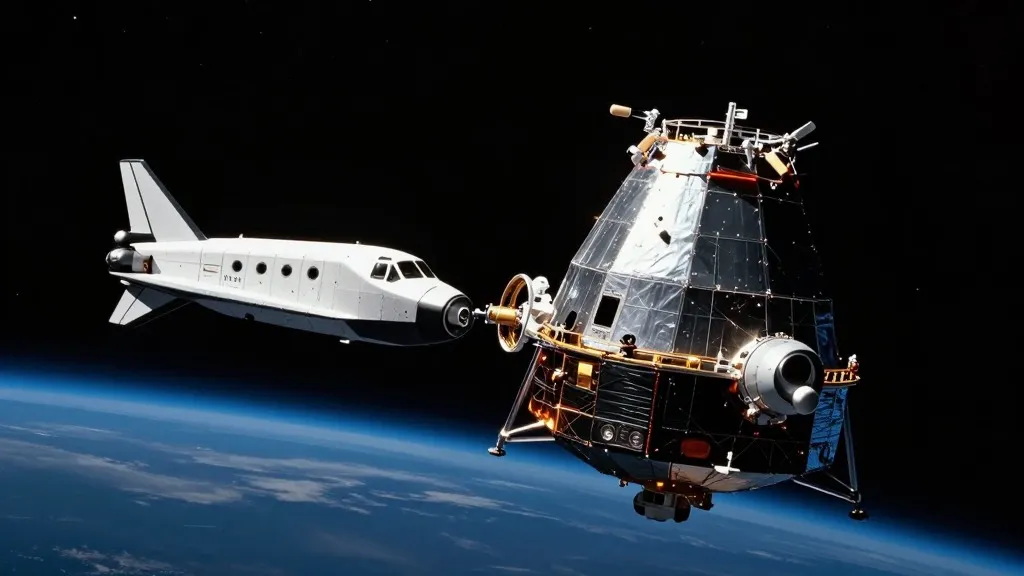
Simultaneously, the civil space sector faced a sobering update regarding the future of deep space exploration. A NASA safety panel indicated that SpaceX’s Starship vehicle may require as many as 22 refueling events to support a single lunar landing mission. This high number of in-space refuelings adds a layer of complexity to the architecture of human return to the Moon. Each refueling event represents a potential point of failure, meaning the operational risk scales significantly with the number of docking and transfer operations required in orbit.
The implication of the 22-refueling requirement is substantial for mission planners. It suggests that the lunar landing architecture will be heavily dependent on the reliability of orbital infrastructure and the precision of autonomous docking systems. For readers in the Southeast, who are watching the expansion of spaceports and related infrastructure, this detail underscores that the push to the Moon is still a work of precise engineering rather than a simple leap in distance.
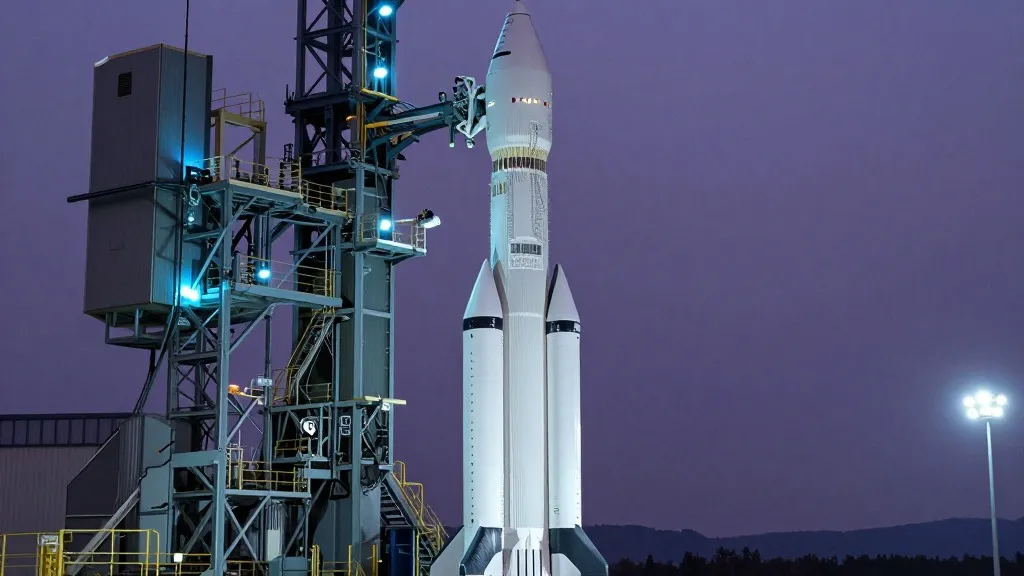
While the US news cycle was dominated by SpaceX, international launch efforts are also making tangible progress. In Spain, PLD Space has reported that its Miura 5 rocket is nearing final integration. The company is targeting its inaugural flight before the middle of 2027. This small-lift vehicle is part of a broader European effort to secure independent access to orbit, reducing reliance on foreign launch providers for smaller payloads.
PLD Space has already manufactured three Miura 5 rockets, according to CEO Raúl Torres. He noted that producing these three vehicles has allowed their teams to work continuously across different production and integration phases. This continuous workflow has been crucial for applying lessons learned from qualification campaigns directly to the vehicle intended for its first flight. The experience gained from the first two vehicles, which are designed to qualify key system elements, is being baked into the third vehicle, which is the primary candidate for the maiden launch.
Currently, one Miura 5 second stage is fully integrated and has begun system-level testing under representative operating conditions. This stage is located at PLD’s test facility in Teruel, where it is undergoing a rigorous qualification campaign. The testing includes a wet dress rehearsal and a static hot-fire test, both of which are critical steps to ensure the rocket’s reliability before it ever reaches the launch pad. The progress in Teruel indicates that the Spanish rocket program is moving from theoretical design to practical, physical verification.
On the North American startup front, Reaction Dynamics is preparing to raise $350 million to scale up its operations significantly. The Canadian company currently employs 68 people but aims to grow its staff to more than 350 with the new funding. This capital injection is intended to support the development of the Aurora, a small-lift rocket that the company hopes will reach orbit in 2028. The rapid expansion of staff suggests an acceleration in their engineering and manufacturing timelines.
Reaction Dynamics is not stopping at small-lift capabilities. The company has also announced plans for a medium-lift rocket named Borealis, with a debut targeted for 2031. This dual-track approach allows the startup to capture near-term market share with the Aurora while developing the heavier lift capacity needed for larger payloads in the future. The $350 million raise is a critical milestone that will determine whether these ambitious timelines remain realistic or if the company needs to adjust its roadmap.
The stakes in the current launch landscape are high for both established giants and emerging startups. For SpaceX, declining military contracts and managing the complex refueling requirements of Starship will test its operational capacity and customer relationships. For PLD Space, successful integration and testing of the Miura 5 could solidify Spain’s position in the global launch market. Meanwhile, Reaction Dynamics must prove that its capital raise translates into tangible hardware progress. As we look ahead to the next three launches on the calendar, these developments will continue to shape the trajectory of the industry.
Source: Ars Technica