2028: NASA Sets New Lunar Timeline After Major Plan Shifts
NASA officials confirmed a revised strategy for Artemis missions, targeting a lunar surface landing by 2028 while simplifying orbital mechanics for partner companies.
By Naledi Dlamini ·
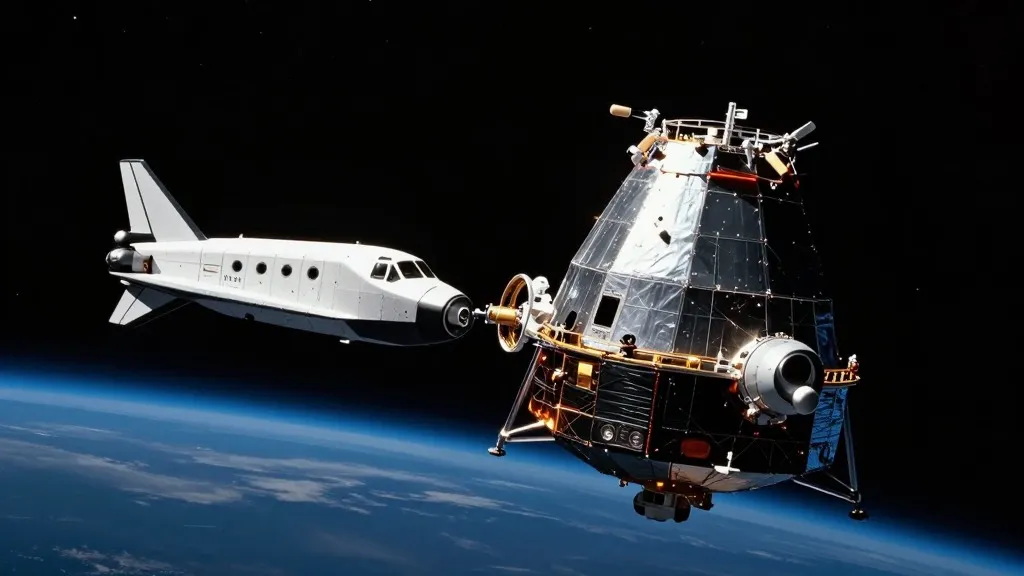
NASA is betting on a 2028 return to the Moon, but only after making significant changes to how the spacecraft will meet. The agency has officially updated its architecture for the Artemis program. This shift aims to solve long-standing technical hurdles for its commercial partners. The new plans were detailed in a lengthy news conference held on Friday.
The most critical change involves SpaceX’s Starship. Under the revised plan, the Orion spacecraft will now dock with the Starship lunar lander in high-Earth orbit. Previously, the plan required a complex docking maneuver in a near-rectilinear halo orbit around the Moon. That earlier requirement demanded more energy and presented other difficulties. By moving the docking to Earth orbit, NASA simplifies the process. This change became possible after the agency canceled the Lunar Gateway earlier this year.
Blue Origin’s approach also sees notable adjustments. The new architecture calls for four launches of the New Glenn rocket. Crucially, this plan eliminates the need for spacecraft-to-spacecraft refuelings. This streamlines the mission profile significantly. Additionally, the Blue Moon lander may rendezvous with Orion in low-Lunar orbit. This flexibility allows for different operational scenarios during the mission.
NASA officials stated that the Artemis III mission remains on track for a "summer" 2027 launch. This mission will serve as a demonstration. It will involve docking with both the Blue Moon and Starship vehicles near Earth. Following that, the agency is targeting a 2028 launch for Artemis IV. This mission would mark the actual landing of astronauts on the lunar surface. These dates represent a concrete target for the program’s next phase.
NASA Administrator Jared Isaacman expressed confidence in the new trajectory. He stated, "This is an achievable path we are on right now." He emphasized that the agency has the necessary mandate and resources. He also noted strong support from stakeholders to execute the plan. This reassurance comes as NASA seeks to accelerate its lunar ambitions after years of planning and delays.
The agency acknowledges that these changes are substantial. It is the first time NASA has laid out this specific level of detail regarding the updated architecture. The leadership team has reviewed every element of the program. They sought changes that would help the lunar lander companies execute their plans more effectively. The goal is to accelerate the timeline without compromising safety or mission objectives.
The path to 2028 is now clearer, though the technical challenges remain. The shift away from complex lunar orbital maneuvers reduces risk. The streamlined approach for Blue Origin removes the complexity of in-space refueling. As NASA moves forward, the focus shifts to executing these new protocols. The success of the 2027 demonstration will be pivotal for the 2028 landing.
Source: Ars Technica