Apple Ramps Up Production of First Foldable iPhone Amid Record-Breaking Demand
The tech giant has raised its shipment targets to 14 million units as pre-order delays prompt a significant increase in manufacturing output.
By Imani Brooks ·
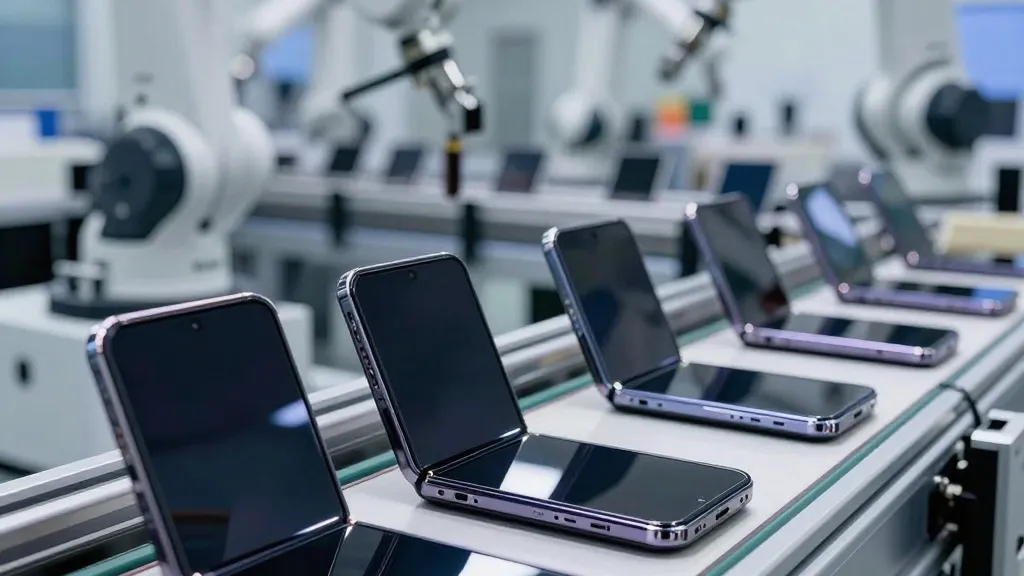
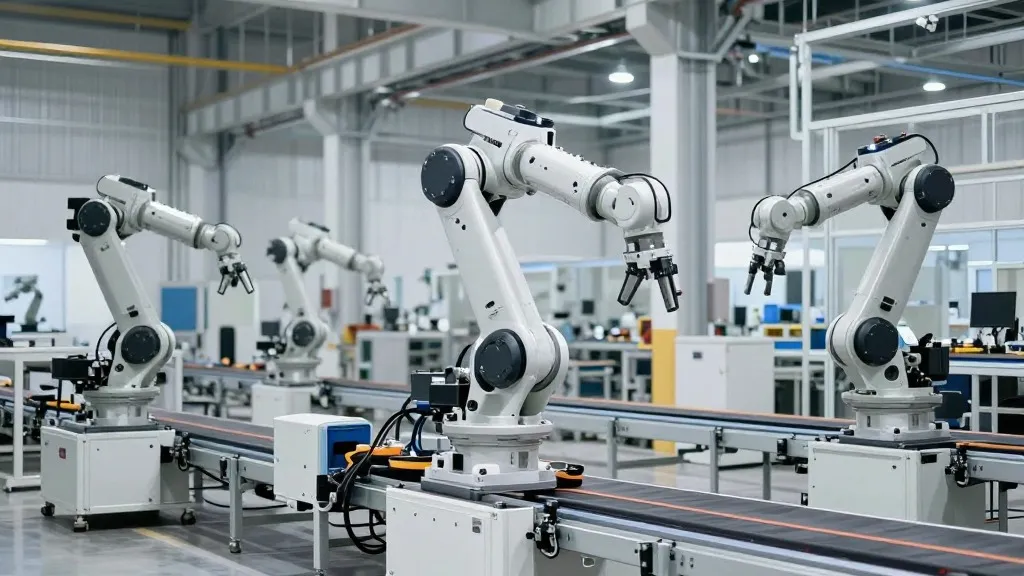
Apple has significantly accelerated the production of its iPhone Duo, increasing order volumes by more than 40% to meet what the company characterized as exceptional pre-order interest. This manufacturing surge comes as the tech giant works to stabilize supply for its first folding smartphone, a device that has generated immediate and intense consumer attention since its launch.
The decision to boost output follows a chaotic start to the pre-order period that began on Friday. Within moments of the sales opening, customers reported receiving delivery estimates that pushed into late January. While initial confusion arose over whether these delays reflected a supply chain bottleneck or simply overwhelming demand, the latest supply chain data points clearly to the latter. Apple attributed the extended wait times to the volume of orders, a description it has frequently employed during previous new iPhone introductions.
To manage the influx of buyers, Apple implemented a restriction limiting orders to a maximum of two units per customer. This measure was designed to mitigate the impact of scalping and ensure broader access to the device. As production capacity expanded, some early customers who initially faced long wait times were subsequently notified of earlier estimated shipping dates. This adjustment aligns with reports from DigiTimes, which cited supply chain sources indicating that Apple has ramped up its manufacturing efforts in direct response to the sustained high demand.
The scale of this production increase is substantial. Apple has raised its shipment targets for the iPhone Duo from an initial projection of 9.7 million units to 14 million units over the first 12 months of the product's lifecycle. This upward revision underscores the company's confidence in the continued strength of the market for foldable devices, suggesting that the initial spike in interest is likely to persist rather than fade.
Despite the hardware production boost, early adopters face challenges regarding software compatibility. Many third-party applications have not yet been optimized for the new folding form factor. However, Apple states that the situation is improving rapidly as developers adapt their software to support the device. Early reviews based on a week of usage consistently highlight app support as a key area of focus, with users noting both the potential of the new hardware and the current limitations of the software ecosystem.
Another notable point of discussion in initial feedback is the inclusion of Touch ID for security, a departure from the Face ID standard found in many recent iPhones. This design choice has drawn attention from both users and industry analysts. Nevertheless, reports emerging this week suggest that Apple is already testing prototypes for the next generation of the device, the iPhone Duo 2, which reportedly feature Face ID. This indicates that the company is actively evaluating biometric options for future models while addressing the current iteration's security features.
The rapid expansion of production targets represents a significant logistical undertaking for Apple and its suppliers. By moving from 9.7 million to 14 million units, the company is effectively increasing its output by nearly 45%. This aggressive scaling is intended to ensure that the supply chain can keep pace with consumer demand without further extending delivery windows. The move also signals a strategic commitment to the foldable category, which has historically faced slower adoption rates compared to traditional slab-style smartphones.
For consumers in the Southeast and beyond, the increased production capacity should translate to more consistent stock availability in the coming months. The initial delays, which saw some customers waiting until late January for delivery, appear to be part of a temporary adjustment period rather than a long-term supply issue. As Apple continues to ramp up manufacturing, the goal is to reduce these wait times and ensure that the high demand for the iPhone Duo is met with a steady and reliable flow of devices to retail channels and direct buyers.
The narrative surrounding the iPhone Duo launch has shifted from uncertainty to a clear picture of high demand driving production. The company's response to the 'extraordinary' pre-orders demonstrates a flexible approach to supply chain management, allowing it to adjust targets quickly in response to real-world sales data. With the shipment targets now set at 14 million units, Apple is positioning itself to capture a significant share of the emerging foldable smartphone market, backed by a manufacturing strategy that prioritizes volume and speed.
Source: 9to5Mac