Unsupervised FSD arrives in Q2 2027: new development
Unsupervised FSD is set to arrive in Q2 2027, but with important limitations.
By Jasmine Coleman ·
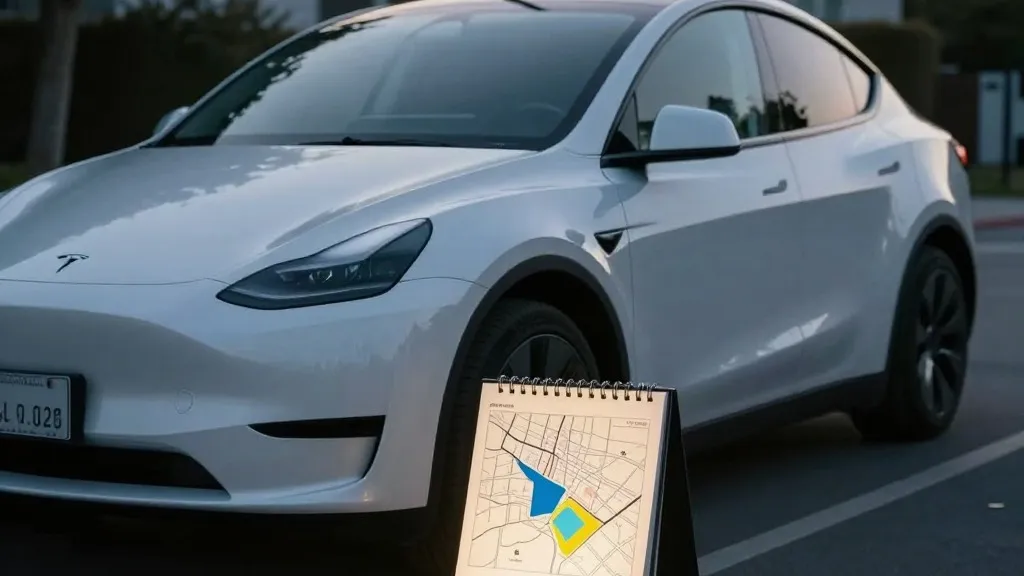
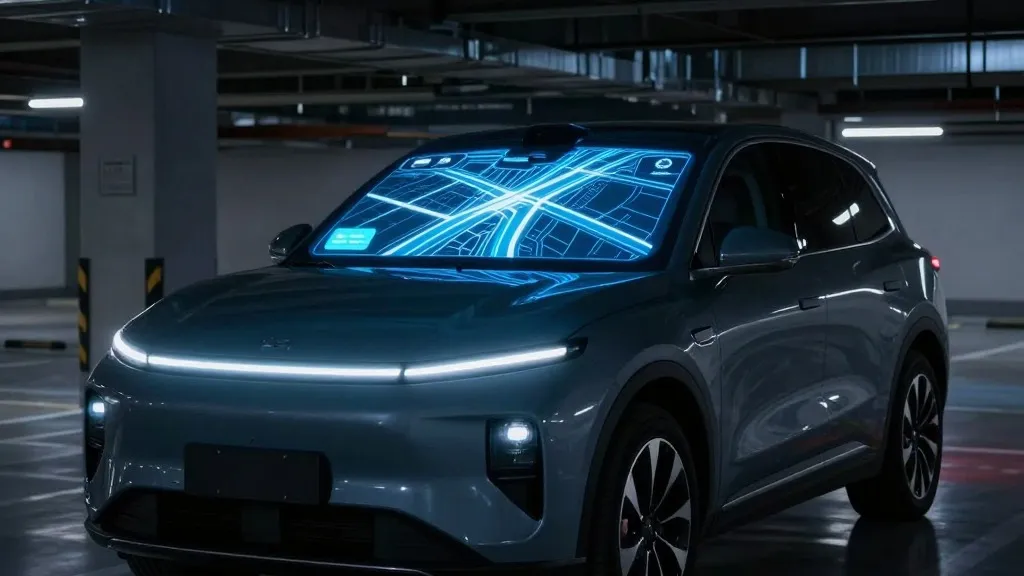
Unsupervised FSD, as promised by Tesla, is set to arrive in Q2 2027. This is the latest update on a promise that Elon Musk has been making to FSD buyers for nearly a decade. But there is a catch: Tesla’s AI chief, Ashok Elluswamy, described it as owners adding their own vehicles to Tesla’s managed Robotaxi fleet, rather than owners getting a car that drives them anywhere they want to go.
The question shareholders asked was, “When can we anticipate FSD unsupervised in customer cars?” This was one of the top retail shareholder questions submitted for the call, backed by about 1.1 million shares. Elluswamy’s answer was Q2 2027, and the way he framed it, step one isn’t a software update that lets you climb into the back of your Model Y and sleep while it drives you to your destination. Instead, it is Tesla letting owners put their cars into its own Robotaxi network, where Tesla runs the operation.
So an owner’s car would only drive itself unsupervised where Tesla’s Robotaxi already operates. Those zones are small, as Tesla’s Robotaxi service runs in six US metros right now, and most of the service areas cover small slices of those cities. When Tesla mapped its Miami Robotaxi zone, it covered mostly West Miami and a strip toward Doral and Sweetwater. Orlando and Tampa launched in July with similarly small geofences.
Inside those zones, the service sticks to low-speed routes, largely stays off highways, and avoids the harder parts of town. In the Bay Area, it isn’t unsupervised at all. California rules still require a safety driver in every car because Tesla doesn’t want to release data to the California DMV, which it has to do beyond a level 2 autonomous system. The fleet is small too. Tesla says Robotaxi reached nearly 2 million cumulative unsupervised miles by the end of Q3, a month after Cybercab joined the Austin fleet, according to Tesla’s Q3 2026 results.
Third-party tracking this spring showed the number of fully driverless Teslas on the road in the dozens, nowhere near the hundreds of thousands Musk had talked about. Waymo, meanwhile, was already in both Orlando and Tampa before Tesla showed up, and it has over 3 million miles. The promise vs. the product is clear. That’s not what Tesla sold. For years, the pitch to FSD buyers was a car that would eventually drive itself anywhere through a software update.
Musk told investors in July 2025 that unsupervised FSD would be available “for unsupervised personal use by the end of this year in certain geographies.” A year earlier, he said he’d be “surprised” if Tesla didn’t have unsupervised self-driving the following year. And HW3 owners who bought FSD have already been told their computers can’t run unsupervised FSD at all, with no clear upgrade plan.
Now the target is Q2 2027, and the product is narrower: your car joins Tesla’s fleet, in Tesla’s zones, on Tesla’s terms. Electrek’s Take is clear: top comment by taverngeek shows that the promise of unsupervised FSD is not yet realized, and the process of getting approval for autonomous driving from the California DMV is still ongoing. Right now, Tesla, along with 23 other companies, has the DMV permit to do testing with a driver. 5 companies, but not including Tesla, have the permit to do driverless testing. 3 companies have the permit for driverless deployment. Waymo for all speeds and conditions.
Mercedes for daytime highways with speed under 40 mph (ie can handle being autonomous in a traffic jam). Nuro with speeds under 35 mph. It took Waymo 10 months to progress from driverless testing to driverless deployment. Thus, it would be extremely optimistic to hope that Tesla will have the California DMV permit for driverless deployment by Q2 2027.
I note that providing a California taxi service is important enough for Tesla for them to be operating that service with human drivers. If you can believe it, believing a Tesla FSD timeline is a fool’s errand at this point, and I don’t see any reason to treat Q2 2027 differently from every other date Tesla has given since 2019.
But even if it happens on time, look at what’s actually being promised. This moves the goalpost from “your car drives you anywhere while you sleep” to “your car can work as a Robotaxi inside a small geofence that Tesla controls.” No highway road trips. No driving you home from the airport across town. No unsupervised commute unless you happen to live and work inside one of the zones.
It’s the goalpost moving of all goalpost moving. If one thing was clear from the call, Tesla has no idea when it will actually happen. They are just guessing. Ashok again reiterated that safety is the bottleneck, which is why Tesla limits itself to low-speed roads and harder environments. He guesses that those safety issues will be fixed by next year, but he doesn’t know.
If you’re buying an EV, powering it with home solar can cut your fuel costs to nearly zero, whether it ever drives itself or not. With electricity rates up almost 10% last year and expected to keep climbing, going solar is one of the best ways to protect yourself against rising costs. And with lease and PPA options, you can do it with zero upfront cost and start saving immediately. No sales calls until you pick an installer. Get your free quotes here.
Source: Electrek