Nvidia CEO's Duck Demo Ignites Preorder Rush
A viral keynote clip featuring robotic ducks has driven preorders past 20,000 units, positioning the gadget as a top holiday contender.
By Robert Hayes ·
Jensen Huang has turned heads at Nvidia's GTC Berlin conference with a very different kind of demo. Instead of just talking about chips, he played with a flock of small, robotic ducks. The video of the moment quickly spread across the internet. It captured the attention of tech fans and casual viewers alike.
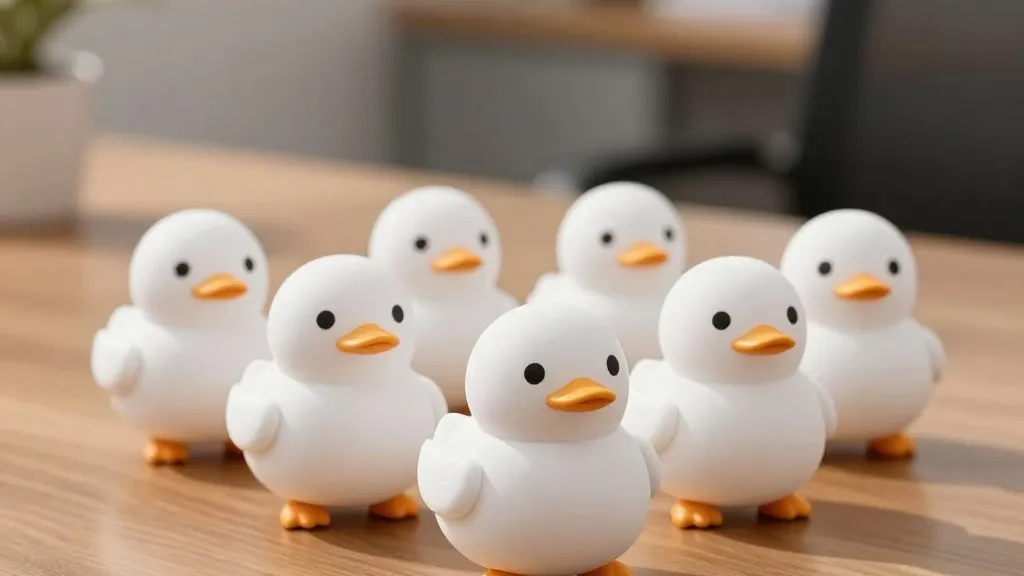
The devices, known as Microducks, waddled across the stage. They stomped their tiny feet and made sounds reminiscent of R2-D2 from Star Wars. On voice command, they sat down and fell over for a pretend nap. Some even performed somersaults. The charm was immediate and undeniable.
The reaction from the public was swift. By the day after the keynote, preorders had already exceeded 20,000 units. Clem Delangue of Hugging Face confirmed the surge in a tweet. He noted that the robots are expected to arrive in time for Christmas. This timing makes them strong candidates for the most popular toy of the holiday season.
Delangue suggested these robots could become the best-selling of the year. He added a twist to that prediction: they might not even be primarily for children. Promotional materials show adults interacting with the devices. This indicates the product targets a broader audience than just young kids.
The Microducks are open-source devices. They were originally produced by Pollen Robotics. That company was acquired by Hugging Face in 2025. Hugging Face was then bought by Nvidia in September. Consequently, the ducks are now part of the Nvidia family. This is Hugging Face's second robotic product. The first was the Reachy Mini, which also featured a cute design.
The technology behind the ducks is rooted in Nvidia's own stack. Simulations of the robots were used to teach them basic tricks. These include walking, sitting, and standing. These skills are included when the devices ship to customers. The system relies on Nvidia's infrastructure for this initial training phase.
Pollen Robotics, the original maker, says owners can do more than just use the default moves. Users can train their specific robots to learn new tricks. Once learned, these custom maneuvers can be shared with the wider community. This creates a collaborative ecosystem around the product. It encourages users to innovate and share their creations.
The timing of the launch is notable. The AI industry has faced a rough week. Several cyberattacks were blamed on AI involvement. This created a tense atmosphere for the sector. The Microduck video offered a lighter contrast. It served as a palate cleanser after the heavier news. The clip demonstrated that AI can be playful, not just complex or concerning.
Viewers found it difficult to resist the appeal. The combination of cuteness and functionality drove the high preorder numbers. The robots are small enough for a desk or shelf. They provide interactive entertainment without requiring a large space. Their ability to respond to voice commands adds a layer of engagement. The video effectively showcased this ease of use.
What happens next is the physical delivery of the units. With Christmas approaching, logistics will be key. The company must ensure the 20,000 preordered units reach customers on time. Success depends on meeting this deadline. If they do, the Microducks could define the holiday shopping season. They might also set a new standard for consumer robotics.
Source: TechCrunch