Displaced Wolves Threaten Finnish Villages
Unauthorized forest clearing by a tech giant has disrupted local ecosystems, pushing predators into residential areas and sparking safety concerns.
By Rebecca Dawson ·
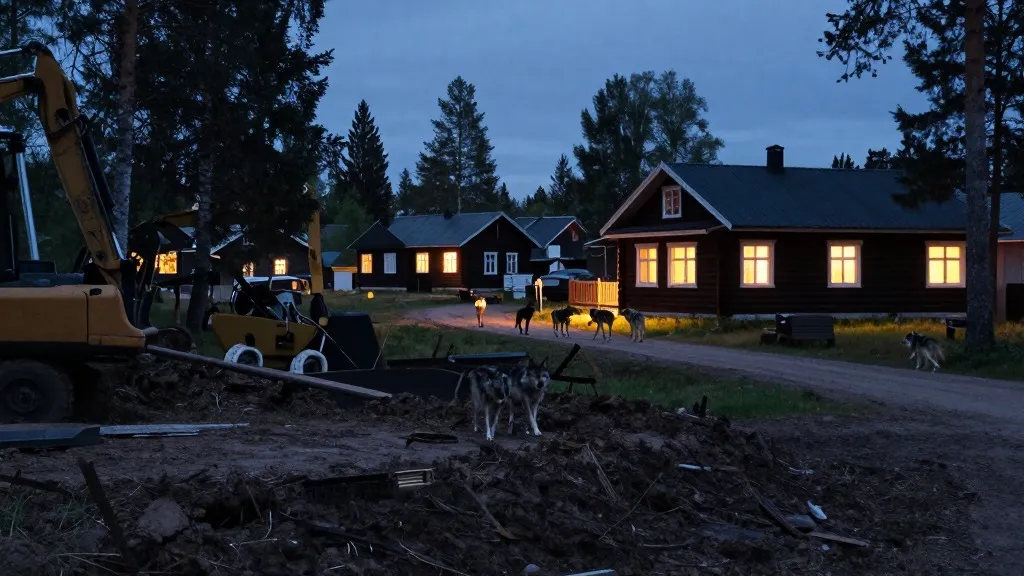
A new ecological tension has emerged in eastern Finland, where displaced wolf packs are increasingly roaming into nearby villages. This shift in wildlife behavior is a direct consequence of extensive, unauthorized forest clearings conducted by Google in the region. The construction of new AI data centers has transformed significant portions of the local forest into muddy expanses, effectively erasing the natural habitat that once sustained local predator populations. As a result, the animals have been forced to seek alternative territory, bringing them into closer proximity with human settlements and raising urgent safety questions for residents.
The situation stems from a series of regulatory failures and aggressive expansion efforts by the American tech giant. Google’s country manager has issued an apology for the unauthorized clearing of 816 acres of forest near the town of Muhos. In a separate area, approximately 55 miles southeast of the village of Otanmäki, another roughly 500 acres of forest have been removed. These actions occurred as part of a broader initiative to establish new AI data centers, a project that appears to have prioritized speed over strict adherence to local environmental regulations. The physical transformation of the landscape has left behind large areas of disturbed earth where dense woodland previously stood.
The primary conflict now centers on the interaction between these displaced animals and the local community. Anni Ranta, a 53-year-old resident whose family has lived in Otanmäki for generations, highlighted the immediate impact on daily life. “We had wolves coming into the village because all the wild animals moved out of the forest,” Ranta explained. For many families, the presence of these predators in the countryside represents a serious human safety concern. The disruption has not been limited to wolves; other wild species have also been pushed out of their traditional ranges, altering the local food web and increasing the frequency of wildlife sightings in residential zones.
This incident is part of a larger pattern of friction between AI data center developers and local communities. While Finland is not the first location to face such environmental backlash, the scale of the disruption here has been notable. Local residents have voiced complaints about persistent construction and factory noise, as well as visible changes to water systems, including streams turning brown. Additionally, rare bird species have been displaced from the area. These grievances mirror concerns raised in other countries, including the United States, where similar infrastructure projects have prompted criticism over their ecological footprint.
The Finnish Association for Nature Conservation (SLL) described Google’s handling of environmental policy as unprecedented and clearly flawed. The Finnish Licensing and Supervision Authority (LVV) has taken a firm stance, issuing an order for Google to cease development activities near both Muhos and Otanmäki. This regulatory intervention follows earlier notices given to the company in Muhos and the nearby area of Kajaani. The LVV’s decision underscores the severity of the unauthorized work and the need for immediate compliance with local oversight mechanisms.
In response to the regulatory orders, a Google spokesperson maintained a cooperative tone. The company stated, “We will fully comply with LVV’s requests in this matter,” and expressed a desire to maintain an active dialogue with authorities. The spokesperson emphasized the goal of strengthening Google’s partnership with Finland and local organizations. The company appears to be betting that the anticipated business benefits of the data centers will help sway government and regulatory perspectives, aiming to secure a long-term operational presence despite the initial setbacks.
The dispute has also introduced a geopolitical dimension to the local controversy. Ranta expressed fear that the presence of U.S.-owned data centers could make Finland a more attractive target for Russian aggression. This sentiment reflects a broader anxiety among some locals that strategic technological infrastructure might alter the country’s vulnerability in a tense regional security environment. The combination of environmental damage and strategic significance has deepened the local anger toward the project.
Looking ahead, the immediate next step is for Google to halt the unauthorized work and engage with the LVV to determine the path forward. The company must navigate the balance between its rapid expansion goals and the regulatory requirements that have been breached. For the local communities, the focus remains on the safety of residents and the potential return of displaced wildlife to their original habitats. The outcome of this regulatory process will likely serve as a precedent for future large-scale data center projects in the region, highlighting the growing intersection of technology infrastructure and environmental stewardship.
The story serves as a case study in the unintended consequences of rapid technological expansion. As the demand for AI computing power drives companies to secure land for data centers, the local ecosystems often bear the initial cost. The case in Finland illustrates that when regulatory frameworks are bypassed or stretched, the results can ripple through the local community, affecting everything from wildlife behavior to residential safety. The coming months will test both Google’s commitment to its stated dialogue and the regulators’ ability to enforce compliance effectively.
Source: Tom's Hardware