Why Egypt Is Cautious About Military Involvement in Yemen's War
Cairo has pledged support for Saudi Arabia but insists any deployment would be purely defensive, shaped by painful memories of the 1960s and fears of economic fallout.
By Worldwide Blast Staff ·
Egypt sent thousands of troops to Yemen once before, in 1962, to back republican forces against royalists after a revolution toppled the Zaidi Imam Mohammad al-Badr, a theocratic monarch. Those who carried out the uprising were sympathetic to the Arab nationalism promoted by Egyptian President Gamal Abdel Nasser. Now, recent comments by President Abdel Fattah el-Sisi have revived talk of a new Egyptian military role in the country.
The republicans eventually won that earlier war against Saudi-backed royalists. Even so, Egypt pulled out its forces after suffering heavy losses in Yemen and then a defeat by Israel in the 1967 war. That history weighs on how many Egyptians view the current proposals.
The latest debate follows escalating Houthi attacks on Saudi Arabia, including a strike earlier this month on King Khalid international airport in Riyadh that killed 13 people, one of them Egyptian. Turkiye, Pakistan, France and the United Kingdom have already sent forces to Saudi Arabia for defensive missions or signalled readiness to do so. Saudi Arabia has been hit by repeated ballistic missile and drone attacks since a Saudi-backed Yemeni government counteroffensive began in early October.
On October 18, Egypt's National Defence Council said the country was ready to provide "all necessary and possible support to Saudi Arabia to defend its safety and stability". After some backlash over the idea of direct intervention, el-Sisi stressed on Wednesday that any deployment would aim to defend Saudi Arabia and would not involve aggression against the Houthis. On Thursday, Foreign Minister Badr Abdelatty urged a political solution. Because even a defensive mission means sending troops abroad, parliament must approve it, and a vote is set for Monday after a one-week delay for hesitant lawmakers.
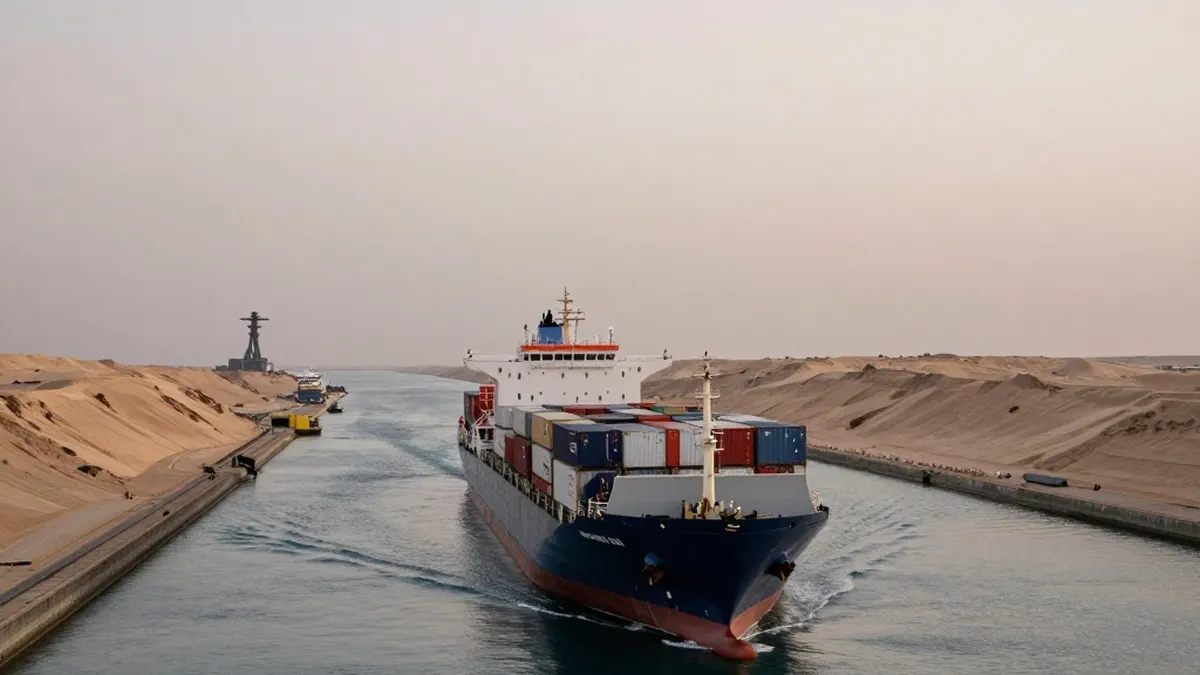
Several concerns explain the caution. Cairo wants to avoid foreign entanglements and being drawn into the US-Israel war on Iran and its allies, and taking part in attacks on the Houthis could invite retaliation from the group or Iran. Wider Houthi strikes on Red Sea shipping would also hurt Egypt, which relies heavily on Suez Canal fees. El-Sisi has said Egypt has already lost $20bn in potential revenue over recent years because of regional instability. Disruption around the Bab al-Mandeb could also push up oil prices, a burden for a net energy consumer.
Memory of the 1960s campaign matters too. Thousands of Egyptian soldiers died in the fighting in Yemen's mountainous northwest, and some blame it for the military's poor readiness in 1967. "There is the memory that [Egypt] went to Yemen and faced forces supported by Saudi Arabia, and Egyptian troops were killed there," said Ahmad Dahshan, editor-in-chief of the Center of Arabic Eurasian Studies.
Egypt has not specified what defensive help it might offer. Based on other countries' contributions, it could involve operating air defence systems and interceptors, guarding sensitive sites, providing naval protection in the Red Sea, or reinforcing the Saudi-Yemeni border. Any of these could still expose personnel to danger, since Houthi strikes have targeted sites they consider strategically important. Dahshan suggested the discussion may reflect the possibility of ground troops guarding the Saudi border against a Houthi incursion.
Egypt was formally part of the Saudi-led coalition formed in 2015 to restore Yemen's government but played a limited role. Saudi Arabia and the United Arab Emirates carried the most weight, though some anti-Houthi Yemenis blame foreign forces, especially the UAE, for undermining their government's independence. The UAE was reportedly forced out of Yemen at the start of the year after a Saudi-backed push against southern secessionists.
Analyst Mohammed al-Qadhi said the Yemeni government has enough fighters and instead needs weapons, economic, logistical and technical support, along with better command and control. He added that many Yemenis still honour Egypt's past role in defending the republic, "though I dismiss a similar role for the Egyptian army today."
Source: Al Jazeera