US Envoy's Syria Drug Remarks Draw Anger From Druze Community and Israeli Experts
Comments by US envoy Tom Barrack linking the Sweida and Daraa area to captagon production and criticizing a Druze sheik have prompted condemnation from Druze figures and questions about his suitability for the role.
By Worldwide Blast Staff ·
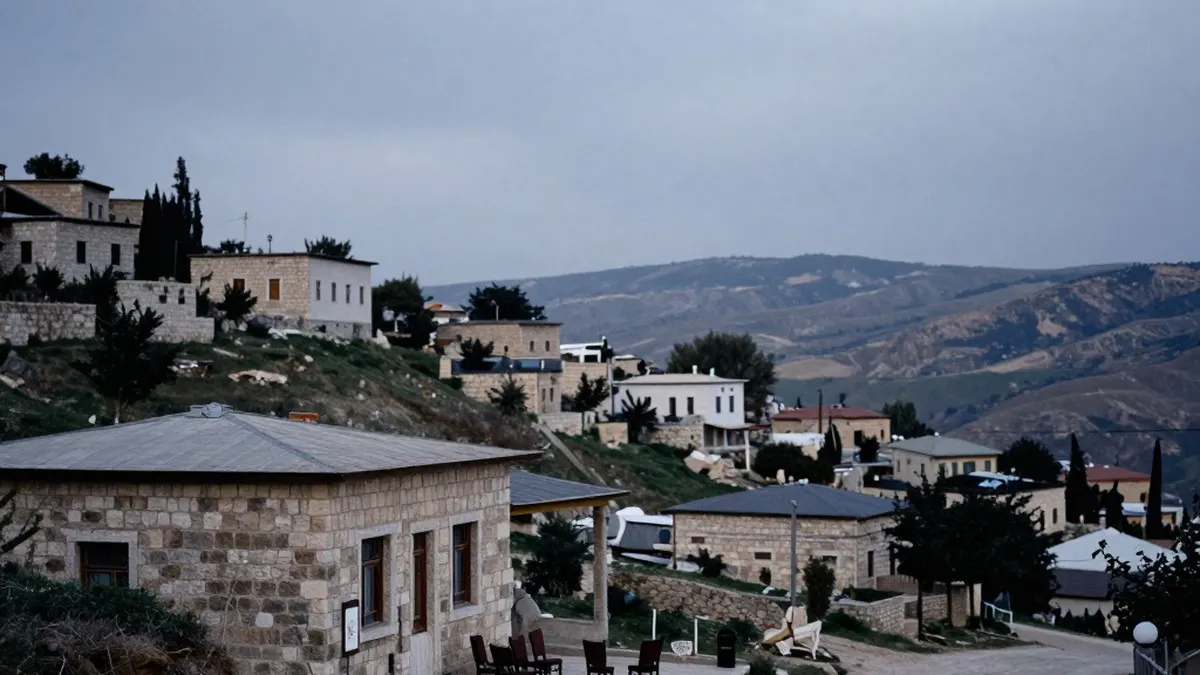
Remarks by US envoy Tom Barrack about southern Syria have set off anger among the Druze community. Some Israeli experts told The Jerusalem Post on Sunday that the comments made them question whether he is right for his role.
In an interview on Friday with Lebanese-Australian podcaster Mario Nawfal, Barrack described the area between Sweida and Daraa as "the captagon manufacturing operation of the world." He alleged that Druze living there were making a living from producing and selling illicit drugs.
Barrack also said he was not worried about Israel. "It's a particular Druze sheik who utilizes the perception of Israeli backing of some alignment with America to persecute other Druze," he said. He did not name the sheik, but Arab media widely read the comment as aimed at Sheik Hikmat al-Hijri, a Druze spiritual leader who has sought Israeli support and independence from Syria.
Such calls have become more common among Syria's Druze since Ahmed al-Sharaa became Syrian president in late 2024. His group, Hay'at Tahrir al-Sham, was formerly designated a terrorist organization and has a documented record of persecuting Druze. The sectarian massacres of July 2025 and sporadic violence since then have deepened fears of the Islamist government in Damascus.
Israeli Druze diplomat and historian Dr. Reda Mansour called Barrack's statements "highly irresponsible" and untruthful in a post on X. He warned that "by baselessly criminalizing an entire ethnic minority," the remarks put the vulnerable Druze in southern Syria at direct risk of sectarian violence and jihadi attacks. "Diplomacy demands accuracy, not reckless generalizations that compromise human lives," he wrote.
His concern comes as violence against the community continues. UN figures say more than 1,300 Druze were killed in the July 2025 massacres in Sweida and surrounding villages, and later outbreaks of sectarian violence have seen civilians abducted and killed. Civilians have also died in Jordanian military strikes on sites that Amman alleges are used for weapons storage and drug manufacturing. In one strike on January 18, 2024, Jordan killed sisters Farah and Dima, aged three and five, along with their parents and other relatives.
Lebanese academic Dr. Zena Mansour also criticized Barrack on X, accusing him of targeting the Druze because of their "defiance." Using the biblical name Bashan for the territory, she said the community faces a choice between self-determination and rule by Islamist extremists. "When you present them with a choice between self-determination and a jihadist, Takfiri, terrorist alternative, you are forcing them to choose between life and death, and the outcome is predetermined," she wrote. She further accused Barrack of failing in his mission to undermine confidence in Druze aspirations for self-determination and of covering up the jihadist landscape in Syria.
Dr. Mordechai Kedar, a research fellow at the Begin-Sadat Center for Strategic Studies, told The Post that Barrack's comments and "lack of understanding" of the region have "brought a lot of damage to the whole Middle East." Kedar doubted that Barrack knows the Sweida situation or the sectarian violence well. He said he believed the envoy was relying on information handed to him rather than on accounts from the ground or from the people affected.
Source: The Jerusalem Post