Palestinians in Gaza Brace for Israeli Election Result They Expect Will Change Little
As Israel heads to the polls, displaced Palestinians in Gaza say the war's toll has been largely ignored by campaigns and they doubt any outcome will improve their lives.
By Worldwide Blast Staff ·
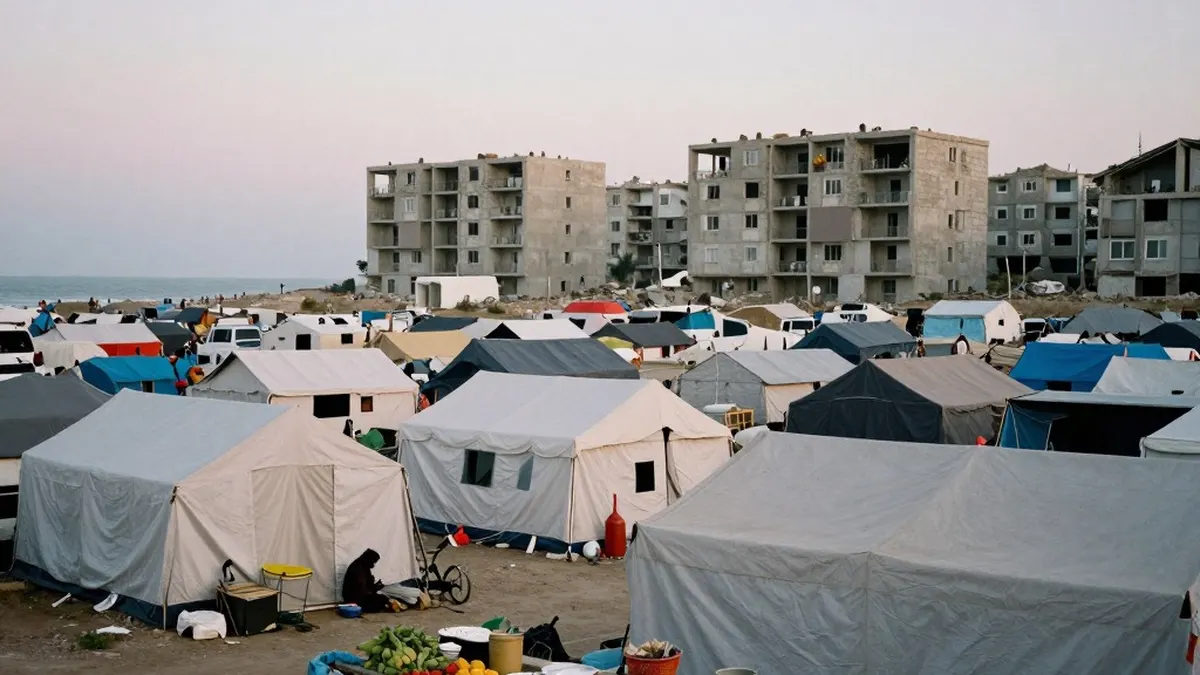
As Israel prepares to vote, Palestinians in Gaza are waiting on a result that could shape their future, knowing their fate rests with the country that has left much of the territory in ruins and killed nearly 75,000 people.
Nearly a million displaced people in Gaza live with poor sanitation, water shortages and the constant risk of Israeli strikes. Yet the territory has barely featured in the campaign. Prime Minister Benjamin Netanyahu's far-right coalition and the opposition Yashar party led by Gadi Eisenkot have both concentrated on destroying Hamas after the 7 October attacks and the trauma they caused in Israeli society. The humanitarian crisis just across the border has received little attention, if any.
Neither leader has laid out a clear plan for Gaza's future. Both have promised to end Hamas rule, and both back Donald Trump's controversial peace plan. Eisenkot, a former military chief whose party is ahead of Netanyahu's Likud in the polls, has pledged to restore Israel's international standing after three years of war. He is not seen as a dove, however. A senior commander in Israel's 2006 war with Hezbollah, he later championed the "Dahiya doctrine", which called for overwhelming force against civilian areas where militants operated. His son and two nephews were killed fighting in Gaza. Critics say the approach has been applied in Gaza, causing destruction that they argue amounts to war crimes.
Sami Abu Rumi, 47, from Rafah, now displaced in al-Mawasi in Khan Younis, said he hoped for a government "less inclined towards killing, displacement and our extermination", but added that Israeli governments think in largely similar ways. "Gaza's suffering has become campaign fodder," he said, noting that families struggle to feed their children, keep them in school and reach medical care.
Earlier this week, the Arab-led Joint List party aired a 48-second video with drone footage of Gaza's ruins. Its voiceover accuses others of behaving "as if everything that has happened here is completely normal". The party says it "will not be silent" and that the other parties "want more destruction" while it offers life. Arab parties are very unlikely to join a government led by Eisenkot, though they could back it from outside.
Pessimism runs deep among Gaza residents. Haneen Hamdouna, 45, from Beit Lahia, also displaced to al-Mawasi, said she did not believe anyone truly cares about Gaza, and that attacking it seems to have become part of Israeli campaigning. Allowing 200 aid trucks in instead of 100, she said, would not mean real change in people's lives.
Most people are too absorbed in finding food and water to follow the race. Fears of renewed hunger are growing as markets run short of fresh produce and other basics. Residents say commercial deliveries have been suspended for about a week, pushing prices up. Flour now costs more than three times its earlier price, and shrinking humanitarian aid leaves families exposed to another food crisis.
Some are watching the vote closely, driven by fear rather than hope. Karim Mareesh, 43, said a friend postponed his son's wedding until after the election, worried that another term for the far right could restart the war and force him to flee again, costing him his tent and the supplies he saved for the celebration.
Three years of war have turned entire neighbourhoods into shattered concrete and craters, and Israeli restrictions on food and aid have made hunger a weapon of war, according to the account. More than 20,000 Palestinian children have been killed since 7 October 2023. Noor AlMoghanni, 20, from Gaza City, said promises of addressing their suffering feel like attempts to soothe pain. "Whether Netanyahu wins or loses, the reality here will not change," she said.
Source: The Guardian